




Updated: July 18, 2026
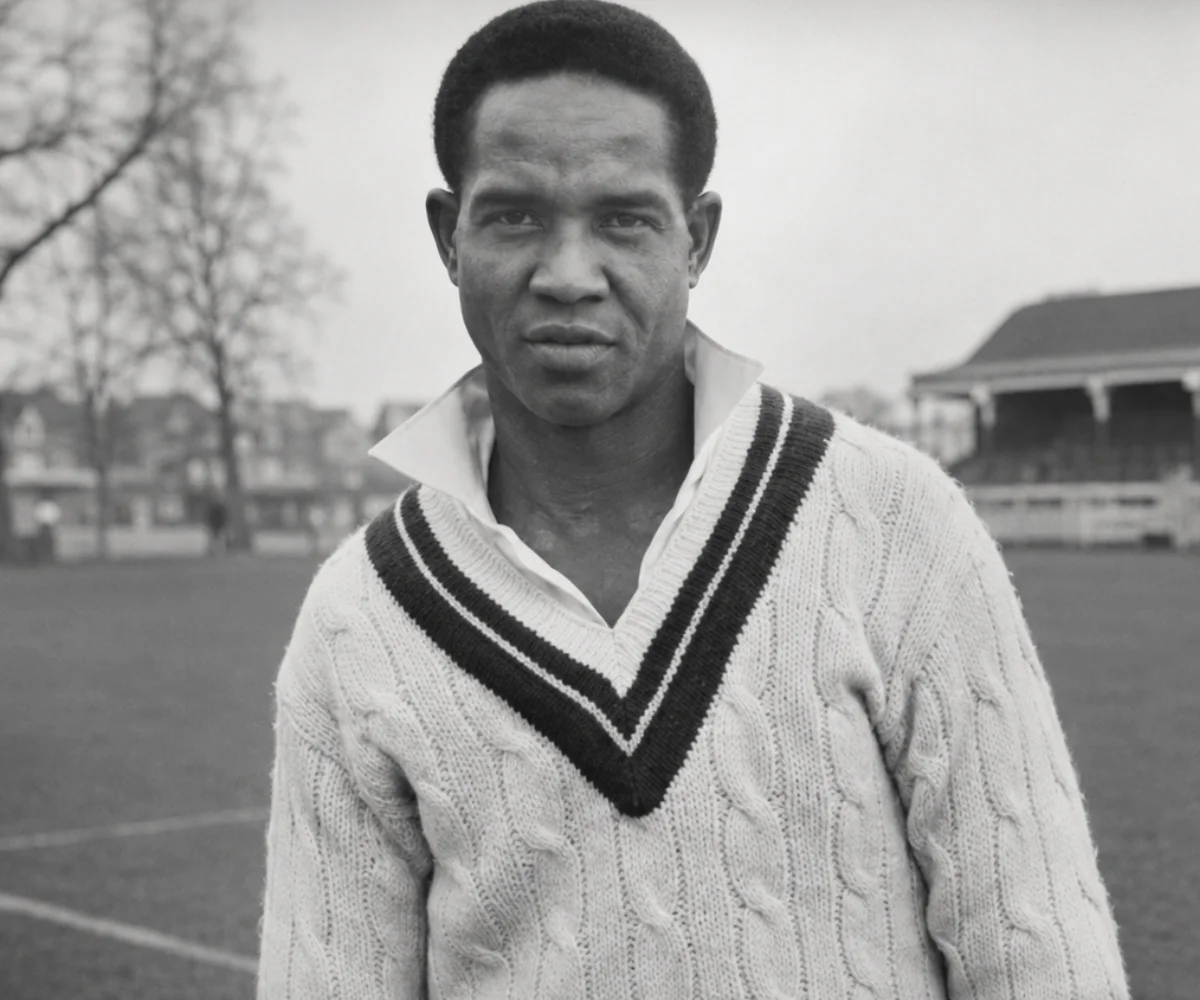
The cricket world is mourning Sir Garfield Sobers, the West Indies legend widely regarded as the greatest all-rounder the game has seen. He died at his home in Barbados on July 17, 2026, at the age of 89. For readers still learning cricket rules for beginners, the praise surrounding his name may raise a simple question: what made one player so special?
Sobers was much more than a famous batter. He could score heavily, bowl fast, switch to two different types of spin, take difficult catches and lead his team. This guide explains the confirmed news of his death, his career records and why his influence remains important to new cricket fans.
Quick Answer
Sir Garfield Sobers died at his home in Barbados on July 17, 2026, aged 89, only 11 days before his 90th birthday. No official medical cause of death had been announced as of July 18. The former West Indies captain was a world-class batter, versatile bowler and brilliant fielder, which is why he is widely remembered as cricket’s greatest all-rounder.
Key Takeaways
| Date of death | July 17, 2026 |
|---|---|
| Age | 89 |
| International team | West Indies |
| Playing role | All-rounder |
| Test career | 93 matches from 1954 to 1974 |
| Batting record | 8,032 Test runs at an average of 57.78 |
| Bowling record | 235 Test wickets at an average of 34.03 |
| Famous achievements | 365 not out and the first six sixes in a first-class over |
| Cause of death | No official medical cause announced as of July 18, 2026 |
| Legacy | National Hero of Barbados and namesake of the ICC’s top annual men’s player award |
What Happened to Sir Garfield Sobers?
Cricket West Indies announced Sobers’ death on Friday, July 17, 2026. ESPNcricinfo reported that he died at his home in Barbados. His son Daniel said that his father had been unwell, but the family and cricket authorities did not announce a specific medical cause.
Barbados declared a national day of mourning, with flags lowered and official functions paused. Prime Minister Mia Mottley also announced that Sobers would receive a state funeral, with full details to be released separately.
Cricket West Indies later made admission free for the West Indies versus New Zealand ODI matches at Kensington Oval on July 19 and July 21. The matches were planned as public celebrations of Sobers’ life and his contribution to Barbados, the Caribbean and world cricket.
Who Was Sir Garfield Sobers?
Sir Garfield St Aubrun Sobers, commonly known as Sir Garry Sobers, was born in Barbados on July 28, 1936. He made his first-class debut at 16 and played his first Test for the West Indies at 17. His international career lasted from 1954 to 1974.
He began his Test career mainly as a bowler. On debut against England in 1954, he took 4 wickets for 75 runs. He later developed into one of cricket’s greatest batters without giving up his bowling or fielding responsibilities. Readers who want a longer historical profile can explore Sir Garfield Sobers’ career and biography.
Sobers also played domestic cricket for Barbados, South Australia and Nottinghamshire. He captained the West Indies in 39 Tests, was knighted for services to cricket in 1975 and was named a National Hero of Barbados in 1998.
What Does an All-Rounder Mean in Cricket?
An all-rounder is a player who can make a major contribution with both batting and bowling. Most cricketers specialize mainly in one of those jobs. A genuine all-rounder gives the team another strong batter without losing a reliable bowling option.
For an American sports fan, the idea is roughly similar to an elite two-way baseball player, although the roles in the two sports are different. Sobers went even further because he was also an outstanding fielder and an international captain.
Why Is Sir Garfield Sobers Considered the Greatest All-Rounder?
He Was an Elite Test Batter
Sobers scored 8,032 Test runs at an average of 57.78, including 26 centuries and 30 half-centuries. Those are specialist-batter numbers. He combined elegant stroke play with the power to attack fast bowling and spin.
He Bowled Pace and Two Types of Spin
Sobers could bowl left-arm fast-medium, slow left-arm orthodox spin and left-arm wrist spin. Other cricketers have used both pace and spin, so he was not the only player with that ability. What separated him was how often and how successfully he performed those roles at the highest level.
He finished with 235 Test wickets and six five-wicket hauls. In a 1970 unofficial Test against England, he took 6 for 21 with pace, scored 183 and later used wrist spin. That match showed how many different jobs he could perform for one team.
He Was an Exceptional Fielder
Sobers took 109 catches in Test cricket. He was especially respected close to the wicket, where sharp reflexes and quick hands are essential, but he could also field effectively in other positions.
His 1966 England Series Showed the Complete Package
One five-match series offers a clear picture of his value. As West Indies captain in England in 1966, Sobers dominated with the bat, ball and in the field.
| Performance | 1966 Test Series |
|---|---|
| Runs | 722 |
| Batting average | 103.14 |
| Centuries | 3 |
| Wickets | 20 |
| Bowling average | 27.25 |
| Catches | 10 |
| Series result | West Indies won 3–1 |
Sir Garfield Sobers’ Career Statistics
| Format | Matches | Runs | Batting Average | Centuries | Wickets | Bowling Average | Catches |
|---|---|---|---|---|---|---|---|
| Tests | 93 | 8,032 | 57.78 | 26 | 235 | 34.03 | 109 |
| ODIs | 1 | 0 | 0.00 | 0 | 1 | 31.00 | 1 |
| First-class | 383 | 28,314 | 54.87 | 86 | 1,043 | 27.74 | 407 |
| List A | 95 | 2,721 | 38.32 | 1 | 109 | 21.95 | 41 |
Beginner note: Sobers played only one official ODI because international one-day cricket began near the end of his career. However, his 95 List A matches show that he had much more experience in domestic one-day cricket.
Garfield Sobers’ Greatest Records and Achievements
The Record-Breaking 365 Not Out
In 1958, Sobers scored an unbeaten 365 against Pakistan at Sabina Park in Jamaica. It was his first Test century, yet he turned it into a triple-century and a world record. He was only 21 years and 216 days old.
The innings lasted 614 minutes and included 38 fours but no sixes. His score passed Len Hutton’s previous record of 364 and remained the highest individual Test score for 36 years. Brian Lara broke it with 375 in 1994 and later set the current record of 400 not out in 2004.
The First Six Sixes in a First-Class Over
On August 31, 1968, Sobers became the first batter to hit six sixes in one over in first-class cricket. He achieved it for Nottinghamshire against Glamorgan in Swansea, with Malcolm Nash bowling the over.
The fifth shot was caught near the boundary, but the fielder fell back onto the rope, so it still counted as six. Sobers then cleared the boundary again from the final ball to complete 36 runs from the over.
Captaincy, Awards and Lasting Honors
- Captained the West Indies in 39 Tests.
- Led West Indies to a 3–1 series victory in England in 1966.
- Scored 28,314 runs and took 1,043 wickets in first-class cricket.
- Was knighted for services to cricket in 1975.
- Was named a National Hero of Barbados in 1998.
- Received 90 votes from a 100-member panel when Wisden selected its five Cricketers of the 20th Century.
- Was inducted into the ICC Cricket Hall of Fame in 2009.
- Gave his name to the Sir Garfield Sobers Trophy, awarded to the ICC Men’s Cricketer of the Year.
Did Sobers Hit Six Sixes in an International Match?
No. The six-sixes achievement happened in an English first-class match between Nottinghamshire and Glamorgan. It was not a Test match or an ODI for the West Indies.
First-class cricket is the longer domestic form of the game and is played under conditions similar to Test cricket. The achievement was still historic because no batter had previously hit six sixes in one first-class over.
Garfield Sobers vs Jacques Kallis
Jacques Kallis is another leading candidate in discussions about cricket’s greatest all-rounder. Kallis played more Tests and produced larger career totals, while Sobers had a slightly higher batting average, took more wickets per Test and offered greater bowling variety.
| Test Record | Garfield Sobers | Jacques Kallis |
|---|---|---|
| Matches | 93 | 166 |
| Runs | 8,032 | 13,289 |
| Batting average | 57.78 | 55.37 |
| Centuries | 26 | 45 |
| Wickets | 235 | 292 |
| Bowling average | 34.03 | 32.65 |
| Five-wicket hauls | 6 | 5 |
| Catches | 109 | 200 |
| Wickets per Test | 2.53 | 1.76 |
Kallis has the stronger case for longevity and total production. Sobers’ case rests on his higher batting average, heavier bowling role, three bowling styles, fielding and captaincy. Because they played in different eras and conditions, the final choice remains a matter of judgment rather than a simple statistical fact.
Cricket World Pays Tribute to Sir Garfield Sobers
Cricket West Indies remembered Sobers as a symbol of Caribbean excellence whose influence went beyond the boundary. The ICC described him as a player who could shape a match with the bat, ball or in the field. Brian Lara, Sachin Tendulkar, Virat Kohli, Ravi Shastri and cricket boards around the world also honored his life and influence.
The reaction showed how his reputation crossed generations. Many younger fans never watched him live, yet they know his name through old footage, record books and stories passed down by former players and family members.
Why His Legacy Still Matters to New Cricket Fans
Sobers helps beginners understand why cricket values more than one skill. A player can change a match by scoring runs, taking wickets, holding a difficult catch or making a brave captaincy decision. Sobers could do all of those things.
Records eventually change, as his 365 was passed by Brian Lara. His larger legacy is the standard he created for a complete cricketer. Modern all-rounders are still measured against the balance, versatility and match influence that defined his career.
Frequently Asked Questions
When did Sir Garfield Sobers die?
He died at his home in Barbados on July 17, 2026.
How old was Garfield Sobers when he died?
He was 89 years old and 11 days away from his 90th birthday.
What was Sir Garfield Sobers’ cause of death?
No official medical cause had been announced as of July 18, 2026. His son said that Sobers had been unwell.
Could Garfield Sobers bowl both fast and spin?
Yes. He bowled left-arm fast-medium, orthodox spin and left-arm wrist spin.
Was Sobers the only cricketer to bowl pace and spin?
No. Other players have done both, but few matched his variety, workload and success across batting, bowling and fielding.
Is Sobers’ score of 365 still the Test record?
No. Brian Lara passed it with 375 in 1994 and later set the current record of 400 not out in 2004.
Why did Garfield Sobers play only one ODI?
ODI cricket began near the end of his career. He played his only ODI in 1973 but appeared in 95 domestic List A matches.
Was Garfield Sobers better than Jacques Kallis?
Kallis had greater career totals, while Sobers had a higher Test batting average and more bowling variety. Different eras make the answer subjective.
Remembering Sir Garfield Sobers
Sir Garfield Sobers leaves behind one of the most complete careers in cricket history. His 365 not out, six sixes in an over and remarkable 1966 series remain unforgettable, but they tell only part of his story.
For new fans, the simplest way to understand his greatness is this: Sobers could help his team in almost every part of the game. His records, versatility and importance to Barbados and the West Indies ensure that his influence will continue long after his final innings.
Read More: Powerplay Rules in Cricket
Fact-check note: Career figures were checked against ICC and ESPNcricinfo records. Current death and tribute information was cross-checked with Cricket West Indies, statements from Barbados, Reuters and the Associated Press.
