




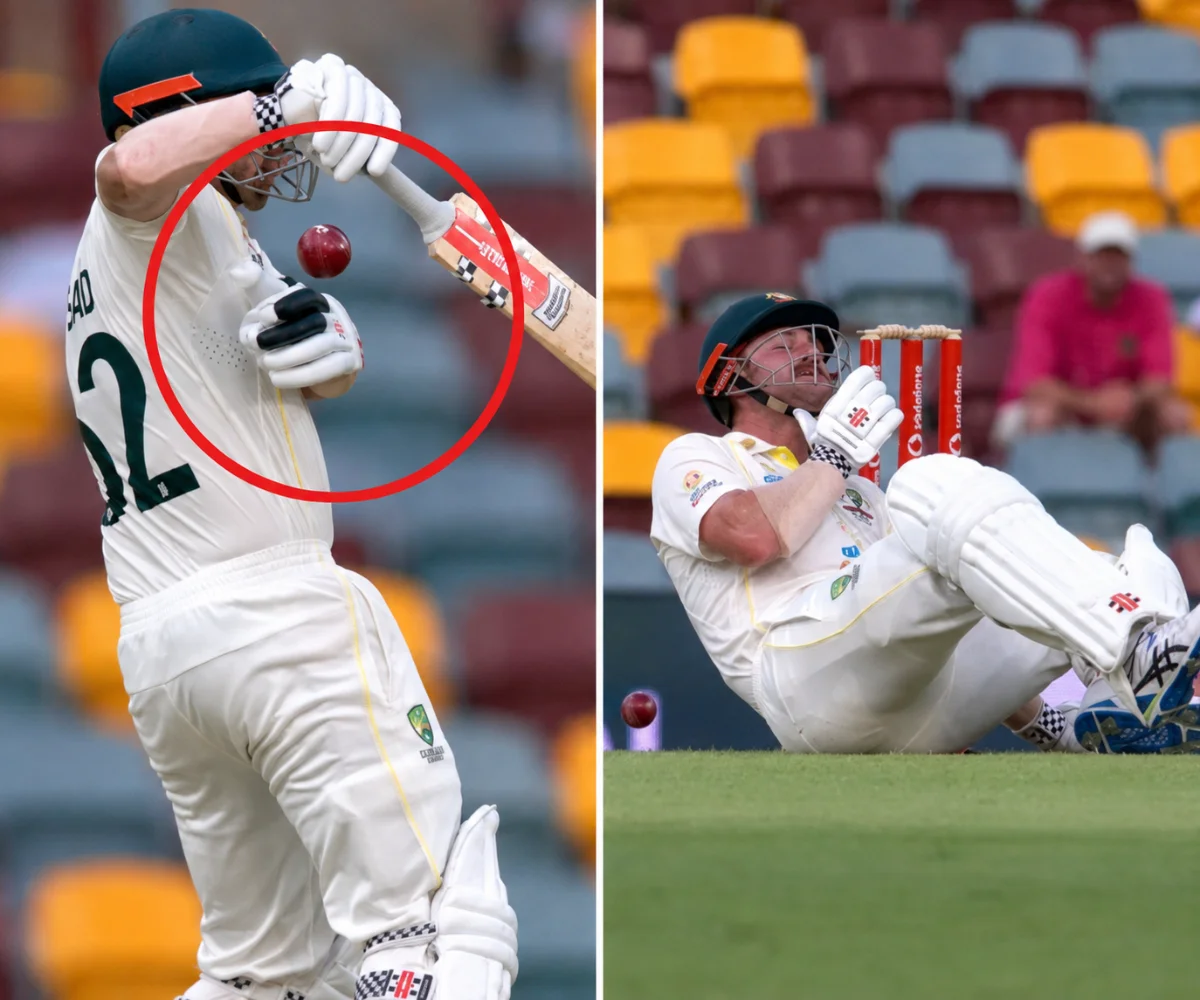
Commentators say beamer when a ball is delivered above waist height without bouncing. The batter has to duck or move aside, which is why the call makes players react so sharply. It matters because the delivery is always a no ball and it can injure the batter.
A beamer is judged on the height it would reach at the batter’s popping crease if the batter were standing upright. This guide covers the official rule, what happens after the call, and how a beamer differs from a full toss and a bouncer. If you are still building your cricket basics, start with basic cricket rules first.
A beamer ball in cricket is a full toss that reaches above the batter’s waist without bouncing. It is always called a no ball because it is unfair and may also be dangerous. The batting team gets an extra run, and in limited-overs formats, the next ball is usually a free hit.
What Is a Beamer Ball in Cricket?
A beamer ball in cricket is a delivery that reaches the batter above waist height without bouncing.
Simple formula:
No bounce + Above waist height = Beamer (No Ball)
A beamer is judged when the batter is standing upright at the popping crease. The umpire judges the height as if the batter were standing upright at the popping crease.
Example of a Beamer in a Cricket Match
Let’s understand this with a simple match situation.
A fast bowler tries to bowl a yorker. The ball slips from the hand. It travels directly toward the batter’s chest without bouncing. The batter quickly moves away. The umpire calls a no ball immediately.
This is called a beamer.
This situation explains why players react strongly. It is about safety, not just rules.
Why Is a Beamer Ball Dangerous?
A beamer is considered dangerous or unfair in cricket.
Here is why:
- The ball travels directly toward the batter without bouncing.
- The batter has very little reaction time
- It can hit the head or upper body
- It can cause serious injury
That is why umpires take strict action, even if it was not intentional.
Beamer vs Full Toss vs Bouncer
Many beginners confuse these deliveries.
| Type | Bounce | Height | Legal or Not |
|---|---|---|---|
| Beamer | No | Above waist | ❌ No Ball |
| Full Toss | No | At or below waist height | ✅ Normally legal |
| Bouncer | Yes | Rises toward upper body | ✅ Legal within applicable limits |
A beamer is illegal because it reaches a dangerous height without bouncing.
The Official Rule (MCC Law)
According to the MCC Law 41.7 on unfair play:
- Any delivery that passes, or would have passed, without pitching, above waist height of the striker standing upright at the popping crease is unfair, so the umpire must call No ball (Law 41.7.1)
- It is also treated as dangerous if the bowler’s end umpire judges there is a risk of injury to the striker (Law 41.7.2)
- Height is judged with the striker standing upright at the popping crease
- First dangerous delivery: when the ball is dead the umpire signals No ball again, then cautions the bowler with a first and final warning that applies for that innings (Law 41.7.3)
- Any further dangerous delivery by the same bowler in that innings: the umpire directs the captain to suspend that bowler from bowling immediately, and the bowler may not bowl again in that innings (Law 41.7.4)
- This warning sequence is separate from the warning given for dangerous short-pitched deliveries (Law 41.7.5)
- If the umpire believes the bowler deliberately bowled it, the caution is skipped and that bowler is suspended straight away (Law 41.7.6)
What Happens After a Beamer Ball?
- Umpire calls No Ball
- Batting team gets 1 extra run
- Ball remains live
- Batter can hit the ball
- Next ball is a free hit (T20/ODI)
If the Batter Hits a Beamer, Does It Count?
Yes, it counts.
- Four runs → counted
- Six runs → counted
- Plus → extra no ball run
This can benefit the batting team.
Can a Batter Get Out on a Beamer?
Most dismissals are not allowed.
- Bowled ❌
- LBW ❌
- Caught ❌
But:
- Run out ✅
Only limited dismissals apply.
Does a Beamer Lead to a Free Hit?
Yes, but only in limited formats:
The next delivery becomes a free hit.
2 Beamer Rule in Cricket
There is no fixed two-chance rule.
The actual situation:
- Umpire may warn the bowler
- A dangerous beamer can lead to immediate removal
- Repeated beamers increase punishment
Why “Standing Upright” Matters
The height of a beamer is judged when the batter is:
Standing upright at the popping crease
This means:
- Crouching does not change the rule
- Umpire uses standard height
- Ensures fair decisions
Types of Beamers Based on Danger
Not all beamers are the same.
- Mild → slightly above waist
- Dangerous → chest or shoulder level
- Very dangerous → head height at speed
More danger means stricter action.
Why Do Bowlers Bowl Beamers?
Most beamers are accidental.
Common reasons:
- Slippery hands (sweat or rain)
- Yorker attempt gone wrong
- Pressure in fast bowling
- Wet ball due to dew
- Loss of grip or rhythm
Even top players make this mistake.
Beamer vs Baseball Beanball (For USA Readers)
If you are new to cricket, this is similar to a beanball in baseball.
- Both are dangerous deliveries
- Both can hit the batter directly
- Beamer is usually accidental
- Beanball can sometimes be intentional
This makes it easier to understand for new audiences.
• Thinking a beamer is a dead ball
• Believing runs do not count
• Assuming the bowler is banned instantly
FAQs
Is a beamer ball a no ball or a wide?
It is always a no ball, never a wide. The umpire signals it as soon as the ball passes above waist height at the popping crease without having bounced.
Does a beamer ball count as one of the six balls in an over?
No. A no ball is not one of the six valid deliveries, so the bowler must bowl an extra delivery and the over takes one ball longer.
What happens if a beamer hits the batter on the head?
The batter is not out for being hit. The ball is already dead, so play continues with the extra delivery. A hard knock to the head can still stop play while the batter is given medical help.
Is a full toss the same as a beamer ball?
No. A full toss bounces once on the pitch before it reaches the batter. A beamer reaches the batter without bouncing at all, which is what makes it dangerous.
Is it legal to bowl an intentional beamer in cricket?
No. The MCC Laws treat a deliberate beamer as unfair play because of the injury risk, and the umpire can require the bowler to stop bowling for the rest of the innings.
Beamer Ball Summary:
• No bounce delivery
• Above waist height
• Always a no ball
• Dangerous for the batter
• Can lead to a free hit in limited formats
Conclusion
A beamer ball is not just a technical rule in cricket, it is a safety rule designed to protect players from serious injury. It is treated strictly because player safety comes first. Once you know the call is always a no ball, the reactions of umpires and batters in real matches start to make sense. If you remember one thing from this guide, remember that a beamer is never a legal bowling variation.
Read More: What is Dead Ball in Cricket Rule?
