




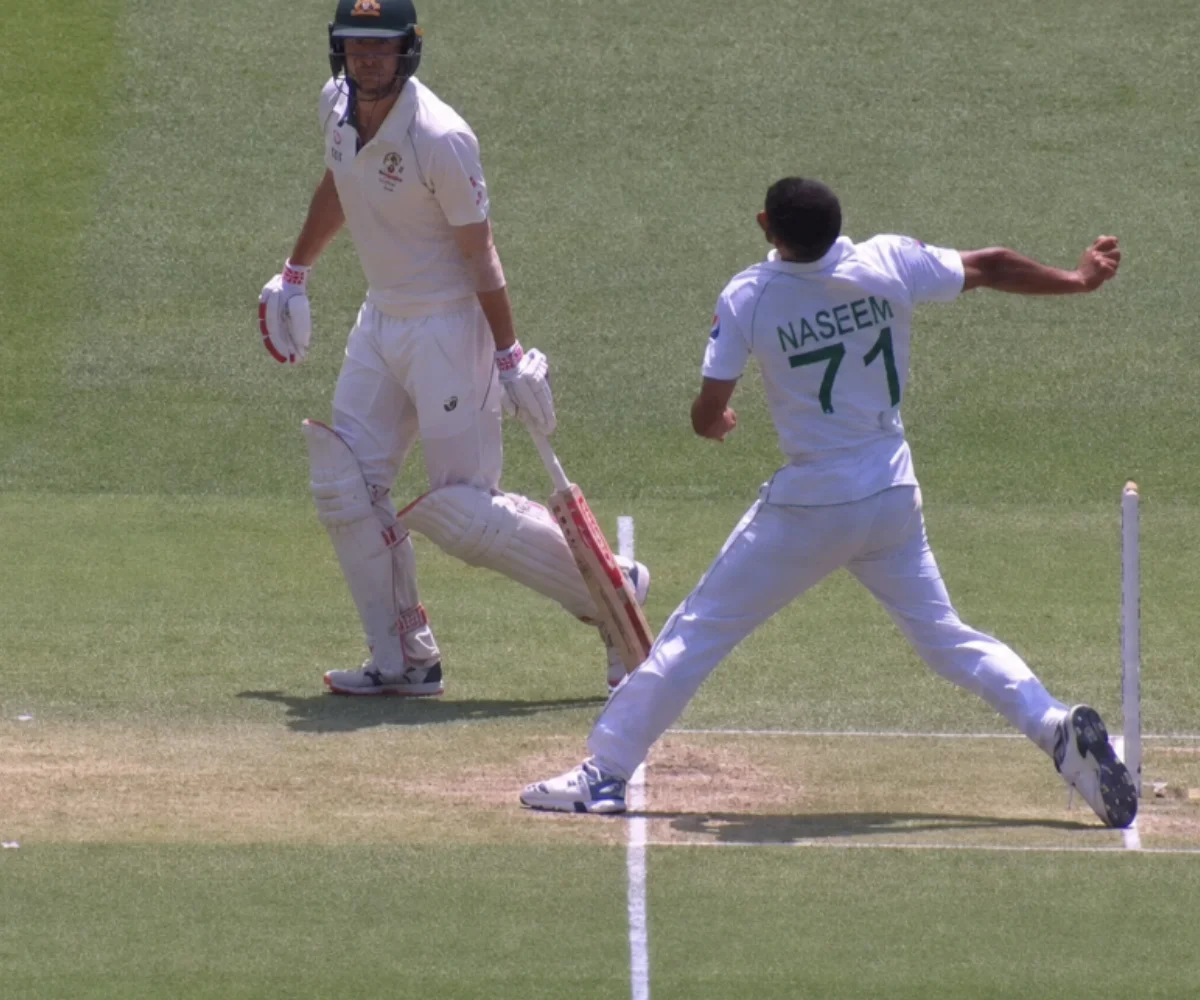
If you are new to cricket, there is a high chance you have felt confused when the umpire suddenly raises one hand and calls a no ball. People often ask, “Why was that a no ball?”, “Why did the batting team get a free hit?”, or “Why didn’t the batsman get out?” These moments break the flow of the match and make cricket feel complicated, especially for viewers who are still learning the basics.
No ball and free hit rules are among the biggest confusion points for beginners, so a clear cricket rules explanation helps, particularly for audiences in the USA and UK. The issue is not the rule itself, but how it is explained. The explanation stays clear and practical, so the next time you watch a match you understand exactly what is happening without any confusion.
Quick Answer:
A no ball is an illegal delivery by the bowler. The batting team gets 1 extra run, the ball does not count in the over, and in ODI or T20, the next ball becomes a free hit if it is a front foot no ball.
What Is a No Ball in Cricket?
A no ball is an illegal delivery by the bowler. It means the bowler has broken a rule during the delivery.
Quick Cricket Rule Definitions
No Ball: An illegal delivery by the bowler.
Free Hit: A ball where the batter cannot be out in most ways.
Wide Ball: A ball too far from the batter to hit fairly.
The Basic Law of No Ball Rules (ICC / MCC Laws Explained Simply)
According to Marylebone Cricket Club, a delivery is a no ball when the bowler does not follow proper bowling rules.
The most common rule:
- The bowler’s front foot must stay behind the crease line
(This is the most common reason you see a no ball in matches.)
Why No Ball Rule Exists in Cricket
Many beginners ask, “Why is this rule so strict?”
Here is the simple reason:
- Fair Play: Prevents bowlers from gaining unfair advantage
- Player Safety: Stops dangerous deliveries like beamers
- Game Balance: Keeps the match fair for both teams
This rule is not just technical. It protects players and keeps cricket fair.
All Types of No Ball Rules in Cricket
Types of No Ball in Cricket
Don’t worry if this list looks long. Most matches only involve a few common types.
Front Foot No Ball
The bowler’s front foot crosses the crease line.
This is the most common no ball you will see.
Back Foot No Ball
The bowler’s back foot goes outside the return crease.
High Full Toss (Beamer) No Ball
A full toss above waist height is dangerous and illegal.
This is called quickly because it can injure the batter.
Head-High Bouncer No Ball
If a bouncer goes above the batter’s head, it becomes illegal depending on match rules.
Illegal Bowling Action (Throwing / Chucking)
If the bowler throws the ball instead of using a proper bowling action.
Change of Bowling Arm or Side Without Informing Umpire
The bowler must inform the umpire before switching.
Underarm Bowling No Ball
Underarm bowling is not allowed in professional cricket.
Ball Bouncing More Than Once
If the ball bounces more than once before reaching the batter.
Ball Rolling on the Ground
If the ball rolls instead of bouncing.
Ball Pitching Outside the Pitch
If the ball lands completely outside the pitch.
Ball Coming to Rest in Front of the Batter
If the ball stops before reaching the batter.
Dangerous and Unfair Bowling
Any delivery that may harm the batter is illegal.
More Than Allowed Bouncers in an Over
There is a limit on bouncers. Exceeding it results in a no ball.
Wicketkeeper Position No Ball
The wicketkeeper must stay behind the stumps until the ball reaches the batter.
Illegal Fielding / Field Restriction No Ball
Breaking fielding rules, especially during powerplay, results in a no ball.
What Happens After a No Ball?
This is where most beginners get confused.
Runs on a No Ball
The batting team gets 1 extra run automatically.
Additional Delivery
The ball does not count.
The bowler must bowl one extra ball.
Ball Remains in Play
The batter can still hit the ball and score runs.
How Runs Are Scored on a No Ball
Runs can come from:
- Bat
- Running between wickets
- Boundaries
No Ball Takes Priority Over Wide
If a ball is both wide and no ball, it is counted as a no ball.
Free Hit Rule in Cricket (Explained Clearly)
This is the most confusing part for beginners, so let’s simplify it.
A free hit is given only after a front foot no ball in ODI and T20 matches.
During a free hit:
- The batter cannot be out in most ways
- Fielding positions usually stay the same
- The ball is still live
Important: - No free hit in Test cricket
- If the next ball is also a no ball, the free hit continues
This is why players often hit big shots on a free hit.
Can a Batsman Be Out on a No Ball?
This is a very common question.
The batter cannot be out in most ways.
Allowed:
- Run out
- Obstructing the field
Not allowed: - Bowled
- Caught
- LBW
No Ball vs Free Hit Dismissal Rules
| Dismissal Type | No Ball | Free Hit |
|---|---|---|
| Bowled | ❌ Not Out | ❌ Not Out |
| Caught | ❌ Not Out | ❌ Not Out |
| LBW | ❌ Not Out | ❌ Not Out |
| Run Out | ✅ Out | ✅ Out |
| Obstructing the Field | ✅ Out | ✅ Out |
This is where many beginners get confused.
On a free hit:
Allowed:
- Run out
- Obstructing the field
Not allowed: - Bowled
- Caught
- LBW
- This is why batters take risks on free hit.
No Ball vs Wide Ball (Quick Comparison)
| Feature | No Ball | Wide Ball |
|---|---|---|
| Extra Run | Yes | Yes |
| Ball Counted | No | No |
| Free Hit | Yes (limited overs) | No |
| Reason | Illegal action | Too far from batter |
Format Differences in No Ball Rules
| Format | Free Hit | Rules Strictness |
|---|---|---|
| Test Cricket | No | Standard |
| ODI | Yes | Moderate |
| T20 | Yes | Very Strict |
5 Cricketers Who Never Bowled a No-Ball in Their Career
These five cricketers are often mentioned in online cricket records as players who never bowled a no-ball during their careers. However, this claim is debated and may not be fully supported by official records.
- Ian Botham (England)
- Imran Khan (Pakistan)
- Dennis Lillee (Australia)
- Lance Gibbs (West Indies)
- Kapil Dev (India)
Why Are Beamers Considered Dangerous?
Beamers are dangerous because they can hit the batter directly without bouncing.
This can cause serious injury.
That is why umpires call them immediately.
Does a No Ball Count as a Ball Faced?
No.
A no ball does not count as a legal delivery.
Who Can Call a No Ball?
- On-field umpires
- Third umpire (for front foot no ball)
Recent Changes in No Ball Rules
Modern cricket uses technology to check front foot no balls.
This makes decisions more accurate.
Real Match Example of No Ball + Free Hit
Imagine a bowler oversteps in a T20 match. The umpire calls a no ball. The batting team gets 1 run. The next ball becomes a free hit.
Now the batter knows they cannot be out in most ways. So they try a big shot. Even if they miss, they are safe from being bowled or caught.
This is how one no ball can change the game.
FAQ
What is the no-ball rule?
A no-ball is an illegal delivery that gives the batting team one extra run and does not count as a legal ball.
Is 2 bounces a no-ball?
Yes, a delivery that bounces more than once before reaching the popping crease is called a no-ball.
Can you get 2 wickets in 1 ball?
No, only one batter can normally be dismissed from a single delivery.
Does a no-ball give one run?
Yes, the batting team receives one penalty run, plus any other runs scored.
Quick Takeaways
- A no ball is an illegal delivery
- The batting team gets 1 extra run
- The ball does not count
- Free hit applies only in ODI and T20
- Batter cannot be out in most ways
Common Mistakes Beginners Make About No Ball
- Thinking every no ball gives a free hit
- Believing the batter cannot get out at all on a no ball
- Confusing a no ball with a wide ball
- Not understanding why the umpire calls a no ball
Conclusion
Understanding no ball rules is one of the key steps in truly enjoying cricket as a beginner. Once people understand why a no ball is called and how a free hit works, their confidence in following the game improves quickly. These rules are not just technical details; they exist to keep the game fair and safe while also adding excitement. If you continue watching matches with this understanding, you will start recognizing these situations instantly, and what once felt confusing will become something you can easily explain to others.
Read More: Mankad Rule Explained: What It Is, Is It Legal, and Why It Is Controversial
