




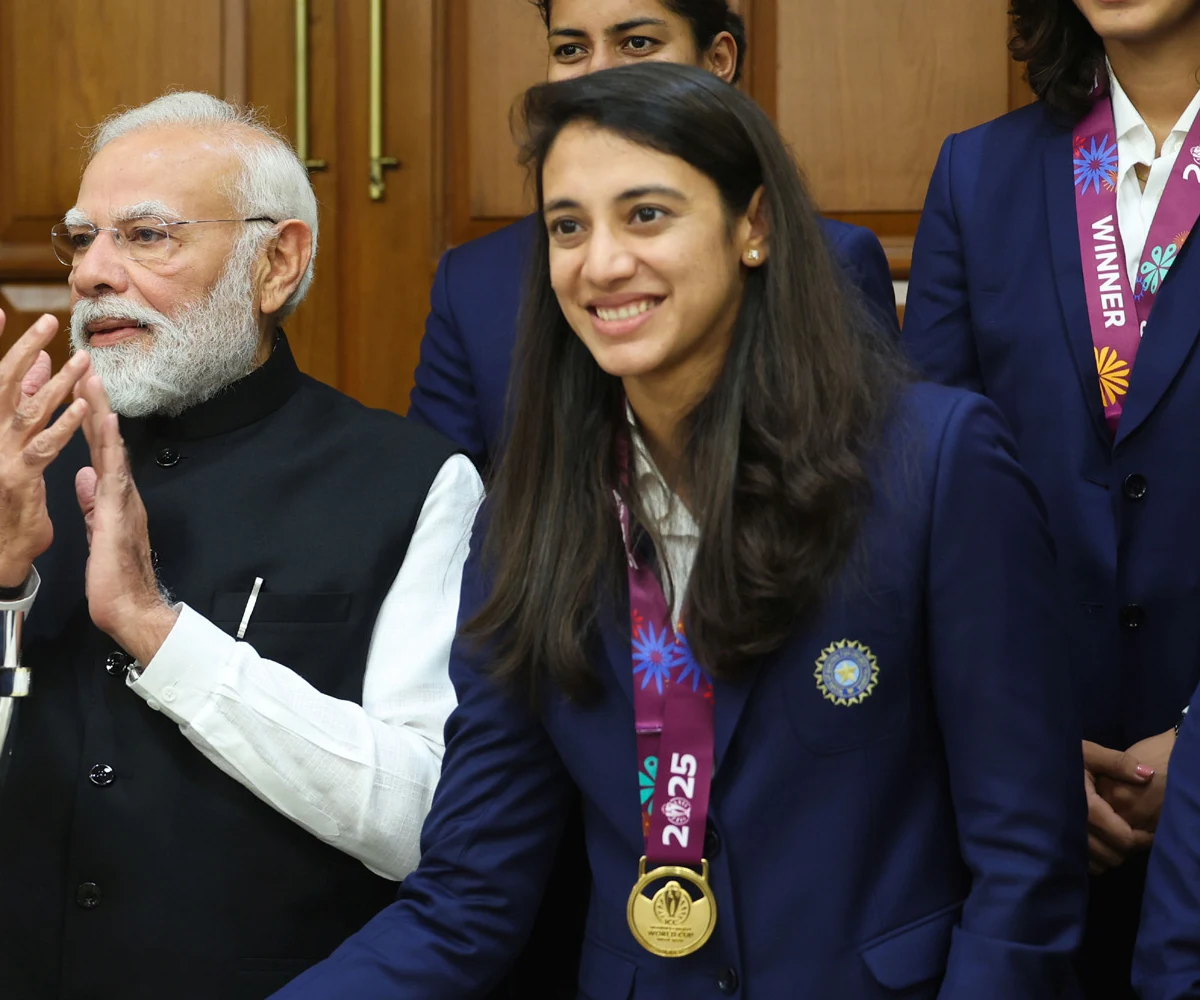
Smriti Mandhana’s 124 against Hong Kong, China was more than a match-winning century. It moved her past two of the biggest names in women’s cricket and gave India control of its group. It also added a major new chapter to the world of cricket competitions.
If you are new to cricket, the headlines can be confusing. Some records cover all three international formats, while others describe only one T20I innings. This guide separates them clearly.
Quick Answer
Mandhana broke two major all-format world records. She became the leading run-scorer in women’s international cricket with 10,880 runs, passing Mithali Raj’s 10,868. She also became the leading century-maker with 18 international hundreds, moving ahead of Meg Lanning. Her 124 was also her personal best in a Women’s T20 International and her second century in the format.
Smriti Mandhana’s Record-Breaking Innings at a Glance
The ICC’s official match and record report says Mandhana’s innings carried India to 193/5. India then dismissed Hong Kong, China for 56. For beginners, 193/5 means India scored 193 runs and lost five wickets in its 20 overs.
Record 1: Most Runs in Women’s International Cricket
Mandhana finished the match with 10,880 international runs. That moved her above former India captain Mithali Raj, who had 10,868.
The phrase international runs combines runs from Tests, One Day Internationals, and T20 Internationals. It does not mean Mandhana scored 10,880 runs in T20Is alone.
The moment came late in India’s innings. According to the ICC, Mandhana passed Raj’s total during the 18th over while hitting three sixes in a row. That made a historic record part of a sudden scoring burst.
Record 2: Most Centuries in Women’s International Cricket
The 124 was Mandhana’s 18th international century. A batter completes a century by reaching 100 runs in one innings.
This total moved Mandhana past former Australia captain Meg Lanning. Again, the count covers Tests, ODIs, and T20Is together. It is not a list of 18 T20I centuries.
This distinction matters because cricket statistics are often grouped by format. A player can lead an all-format list without leading every separate format list.
Was 124 a T20I World Record?
No. The safest way to describe the innings is that 124 was Mandhana’s highest T20I score and her second T20I century. The two clear world records were her all-format run total and her all-format century total.
This is why a careful record breakdown is useful. A career best is a player’s highest score. A world record is the best figure recorded across the whole sport or a defined category.
How Dominant Was the 124?
Mandhana scored 124 from 64 balls, with 14 fours and seven sixes. Her strike rate was 193.75, meaning she scored almost 194 runs for every 100 balls faced at that pace.
She also supplied most of India’s total. No other Indian batter reached 30. Shafali Verma’s 28 was the next-highest score. Mandhana therefore had to keep attacking while wickets and quiet periods happened around her.
If that number is new to you, see how strike rate works in cricket and why fast scoring matters so much in T20 matches.
Why the Innings Mattered to India
India posted 193/5 and then produced a strong bowling performance. Deepti Sharma took three wickets for nine runs. Nandani Sharma, Prema Rawat, and Shree Charani took two wickets each.
The 137-run victory was India’s second straight win and placed the team at the top of Group A at that stage of the Women’s Asia Cup.
The innings also showed a possible concern. India’s middle order did not make a major score. Against stronger attacks later in the tournament, India could not expect Mandhana to carry almost the entire innings every time.
What “Across All Formats” Means
International cricket has three main formats:
- Test cricket can last up to five days.
- ODIs give each team 50 overs.
- T20Is give each team 20 overs.
Mandhana’s 10,880 runs and 18 centuries combine her numbers from all three. Her score of 124 belongs to her T20I record because this Asia Cup match used the 20-over format. The beginner’s cricket scoring guide can help you read totals such as 193/5.
What Fans Were Asking After the Match
Community discussions focused on how many records Mandhana had actually broken. Fans also asked whether her 18 centuries were all in one format and whether she had scored a century in every international format.
Those questions show the real difficulty: cricket headlines often mix world records, national records, and personal milestones. The ICC’s post-match record breakdown confirms the two all-format records and her career-best T20I score.
FAQs
Which records did Smriti Mandhana break against Hong Kong, China?
She became the highest run-scorer and the leading century-maker in women’s international cricket across all formats.
How many international runs did Mandhana have after the match?
She had 10,880 runs across Tests, ODIs, and T20Is, according to the ICC.
Whose run record did Smriti Mandhana break?
She passed former India captain Mithali Raj, whose career total was 10,868 international runs.
How many international centuries has Mandhana scored?
The 124 was her 18th international century across all formats.
Was 124 Mandhana’s highest T20I score?
Yes. The ICC described 124 as her highest score in Women’s T20 Internationals.
Has Mandhana scored a century in all three formats?
Yes. She is the first Indian woman to score an international century in Tests, ODIs, and T20Is.
Conclusion
Smriti Mandhana’s 124 was historic because it joined match-winning power with long-term consistency. She left the match as women’s international cricket’s leading run-scorer and leading century-maker.
For a beginner, the key is to separate categories. The run and century records combine all formats. The 124 itself was her T20I career best and second century in that format. That clear distinction shows exactly why the innings mattered without making the record bigger than it was.
