




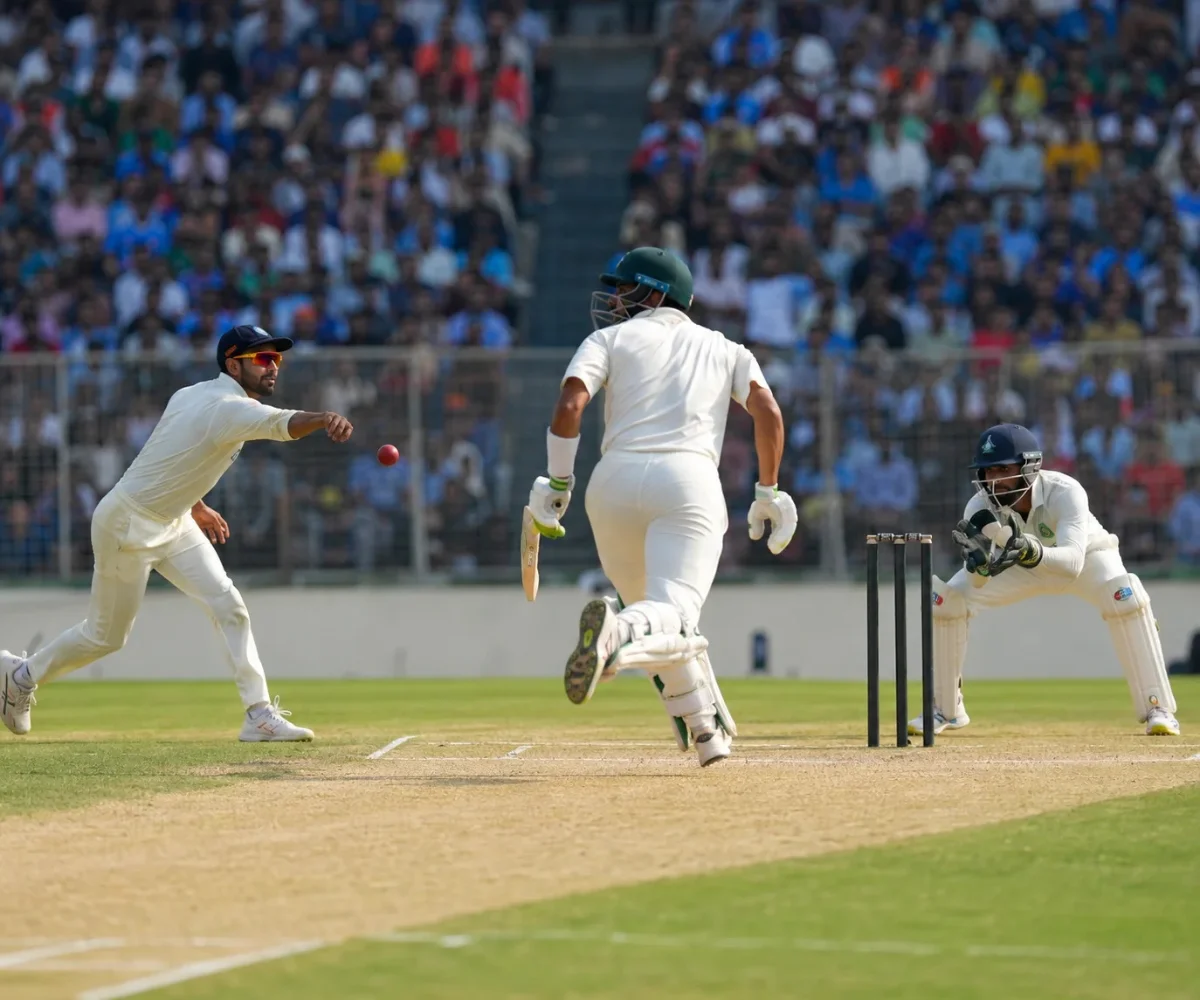
Many people feel confused when they watch a close run out in cricket. The ball hits the stumps, players start appealing, and then everything stops for a replay. You see the same moment again and again, but still cannot understand what actually happened. Was the bat inside the crease? Was it touching the ground? Why is the umpire taking so long to decide? This confusion is very common, especially for beginners who are still learning how cricket works.
The run out rule is not difficult, but the small details make it confusing. A bat inside the crease is not always safe, and a fraction of a second can decide everything. Once you understand these key details step by step, the rule becomes simple. The run out rule is explained clearly below, so you can understand every run out decision with confidence.
What Is a Run Out in Cricket?
A run out is a type of dismissal in cricket. It happens when a batsman is outside the crease and the fielding team breaks the stumps with the ball while the ball is still live. In simple words, if the batsman does not reach the safe area in time, they are out.
Understanding the Crease

The crease is a white line on the pitch. It is the safe zone for the batsman. If any part of the bat or body is grounded behind this line, the batsman is safe.
Many beginners think the bat inside the line is enough. This is not correct. The bat must touch the ground behind the crease line. If the bat is in the air, even inside the crease, the batsman can be out.
When Can a Run Out Occur?
A run out can happen in many situations during a match:
- When batsmen try to take a run
- When there is a misfield
- When the non-striker leaves the crease early
- When a fielder hits the stumps directly
It can happen at either end of the pitch.
Key Elements of the Run Out Rules in Cricket
If the bat is touching the ground behind the crease → Not Out
If the bat is in the air when stumps are broken → Out
To understand this rule clearly, focus on these points:
- The ball must be live
- The batsman must be outside the crease
- The wicket must be broken with the ball
- The bat or body must be grounded behind the crease to be safe
These are the main factors umpires use to make decisions.
How a Run Out Happens (Step-by-Step)

Run Out Decision Flow
Use this simple logic to understand a run out decision:
If NO → Not Out
If NO → Not Out
If YES → Not Out
If YES → Out
Run Out Law
According to the official laws by Marylebone Cricket Club:
Out Run Out
A batsman is out if the wicket is fairly broken while they are out of their ground.
Batsman Not Run Out
A batsman is not out if they are safely grounded behind the crease.
Which Batsman Is Out
The batsman closer to the broken wicket is given out.
Runs Scored
Runs only count if both batsmen safely complete the run before the wicket is broken.
When Is a Batsman NOT Run Out?

| Situation | Result |
|---|---|
| Bat grounded behind crease | Not Out |
| Bat inside crease but in air | Out |
| Ball is dead | Not Out |
| Stumps broken while batsman is outside crease | Out |
A batsman is NOT out if:
- The bat or body is grounded behind the crease
- The ball is dead
- The fielder does not properly break the stumps
- The batsman reaches the crease before the wicket is broken
Even if the bat is inside the crease but in the air, the batsman can still be out.
Run Out vs Stumping (Easy Comparison)
| Factor | Run Out | Stumping |
|---|---|---|
| Who can do it | Any fielder | Wicketkeeper only |
| When it happens | During running or play | When batsman leaves crease |
| Ball condition | Ball is live | Ball must not be a run attempt |
| Common situation | Taking runs | Missing a ball |
In simple terms, run out happens during running, while stumping happens when the batsman steps out and misses the ball.
How Umpires Check Run Outs (Frame-by-Frame)
Modern cricket uses technology to make correct decisions:
- Frame 1: The ball hits the stumps
- Frame 2: The bat position is checked
- Frame 3: The LED bails show the exact moment
If the bat is not grounded at that exact moment, the batsman is out. Organizations like International Cricket Council use this system in professional matches.
The Role of Fielders in Run Outs
Fielders are very important in run outs:
- They must collect the ball quickly
- They aim for direct hits
- They throw with accuracy
A single good throw can create a big moment in the match.
Tips for Avoiding Run Outs
Batsmen can avoid run outs by following simple tips:
- Communicate clearly with your partner
- Watch the ball at all times
- Run fast but make safe decisions
- Slide the bat inside the crease
Common Mistakes Beginners Make
Many beginners make these mistakes:
- Thinking the bat in the air is safe
- Not understanding the crease line
- Confusing run out with stumping
- Running without communication
These small mistakes often lead to easy run outs.
Famous Run Outs in Cricket
There have been many famous run outs in cricket history. Players like MS Dhoni are known for very fast reactions and smart run out decisions. These moments often change the result of big matches.
How It Alters The Game
A run out can change the momentum of a match:
- It breaks strong partnerships
- It increases pressure on the batting side
- It boosts the confidence of the fielding team
Sometimes one run out decides the match.
Why You Should Know the Basics of Run Out Rule in Cricket
Understanding this rule helps you enjoy cricket more. You can follow decisions clearly and understand what players are doing. It also helps beginners learn the game faster.
Quick Takeaways: Run Out Rule Explained
- A batsman is out if the stumps are broken while they are outside the crease
- The bat or body must be grounded behind the crease to be safe
- If the bat is in the air, the batsman can be out
- The ball must be live for a run out
- Technology helps umpires make close decisions
FAQs
Can a batsman be run out without facing the ball?
Yes, a batsman can be run out at any time when the ball is live.
Is the bat in the air considered safe?
No, the bat must be grounded behind the crease line.
Can both batsmen be run out on the same ball?
Only one batsman can be given out on a single delivery.
Conclusion
The run out rule may seem confusing at first, but in real matches, it always comes down to one simple moment. It is the exact time when the stumps are broken and whether the bat is grounded behind the crease or not. Most confusion happens because people miss this small detail. Once you focus on that moment, everything becomes easier to understand. As you watch more matches, you will start recognizing these situations quickly, and your confidence in understanding cricket will grow naturally.
Read More: How to Win a Test Match
