




The Duleep Trophy can be difficult to place if you are new to Indian cricket. It is not an international event, and it is not another state-team tournament like the Ranji Trophy. It is a domestic first-class competition in which selected players represent large zones of India.
The tournament brings together many strong red-ball players from different state associations. That makes it an important competition for fans who want to follow talent below the international level. This guide is part of the Cricket Focus competition guides, where major cricket events are explained for beginners.
Quick Answer
The Duleep Trophy is an Indian domestic first-class cricket tournament played between zonal teams. The current format has six zones: North, South, East, West, Central, and North East.
Unlike the Ranji Trophy, it is a short knockout competition rather than a long group season. Players are chosen for combined zonal squads after representing state or regional teams in Indian domestic cricket. The current tournament uses four-day quarterfinals and semifinals, followed by a five-day final. If a knockout match is drawn, the team with the first-innings lead normally advances. That rule decided the 2026-27 final.
Duleep Trophy at a Glance
| Question | Simple answer |
|---|---|
| What is it? | An Indian domestic first-class zonal tournament |
| Who organizes it? | Board of Control for Cricket in India, known as the BCCI |
| When did it begin? | 1961-62 season |
| Who plays? | Selected players in six regional zone teams |
| Current format | Knockout competition |
| Match length | Four days for quarterfinals and semifinals, five days for the final |
| Latest completed champion | East Zone, 2026-27 |
| Most successful team | West Zone, generally listed with 19 titles including shared trophies |
| Is it international cricket? | No, it is domestic cricket within India |
What Is the Duleep Trophy?
The Duleep Trophy is one of India's leading domestic red-ball competitions. It is played at first-class level, which means the matches use the longer form of the game and are officially recognized in a player's career record.
The teams do not represent individual states. They represent broad parts of India called zones. A zone can select players from several Ranji Trophy teams within its region.
For example, West Zone can bring together players connected to Mumbai, Maharashtra, Gujarat, Baroda, and Saurashtra. Those players may be opponents during the Ranji season, then become teammates in the Duleep Trophy.
This combined-team idea is the easiest way to understand the competition. Strong domestic players face other selected players from across the country in a short, high-level tournament.
What Does First-Class Cricket Mean?
First-class cricket is the highest recognized level of multi-day domestic cricket. Each team can normally bat twice. These turns at batting are called innings.
Duleep Trophy matches use the traditional red-ball style of the game. Players wear white clothing, and a match is divided into daily sessions with lunch and tea breaks.
The long format tests skills that a T20 match cannot fully test:
- A batter may need to defend for several hours.
- Fast bowlers must manage energy across many spells.
- Spin bowlers may become more dangerous as the pitch wears.
- Captains must decide when to attack or declare.
- Teams usually need to take 20 wickets to win outright.
A Duleep Trophy match is not a Test match. Test cricket is played between national teams. Duleep matches are domestic first-class games played within the Indian cricket system.
Who Plays in the Duleep Trophy?
The current competition has six zonal teams.
| Zonal team | General area represented |
|---|---|
| North Zone | Northern Indian cricket associations |
| South Zone | Southern Indian cricket associations |
| East Zone | Eastern Indian cricket associations |
| West Zone | Western Indian cricket associations |
| Central Zone | Central Indian cricket associations |
| North East Zone | North-eastern Indian cricket associations |
These are composite teams. That means each squad is built from players connected to several domestic associations.
The current groups include players from associations such as:
- North Zone: Delhi, Haryana, Jammu and Kashmir, Punjab, and Services
- South Zone: Andhra, Goa, Hyderabad, Karnataka, Kerala, Tamil Nadu, and Puducherry
- East Zone: Assam, Bengal, Bihar, Jharkhand, Odisha, and Tripura
- West Zone: Baroda, Gujarat, Maharashtra, Mumbai, and Saurashtra
- Central Zone: Chhattisgarh, Madhya Pradesh, Rajasthan, Uttar Pradesh, Uttarakhand, and Vidarbha
- North East Zone: Arunachal Pradesh, Manipur, Meghalaya, Mizoram, Nagaland, and Sikkim
The exact squad does not need one player from every association. Zonal selectors choose a balanced team from the available player pool.
How Are Duleep Trophy Players Selected?
There is no franchise auction. Players are selected for their zone by zonal selectors.
Domestic performance is an important part of the selection discussion. Selectors can consider runs, wickets, recent form, team balance, experience, fitness, and availability. A squad still needs specialist batters, wicketkeepers, fast bowlers, spin bowlers, and all-rounders.
Many players first show their red-ball skills for their Ranji Trophy teams. The Duleep Trophy then places selected players in a smaller field with other leading domestic cricketers.
India internationals may also appear when they are available and selected. However, selection for a Duleep squad does not guarantee a place in the national team.
Why Is It Called the Duleep Trophy?
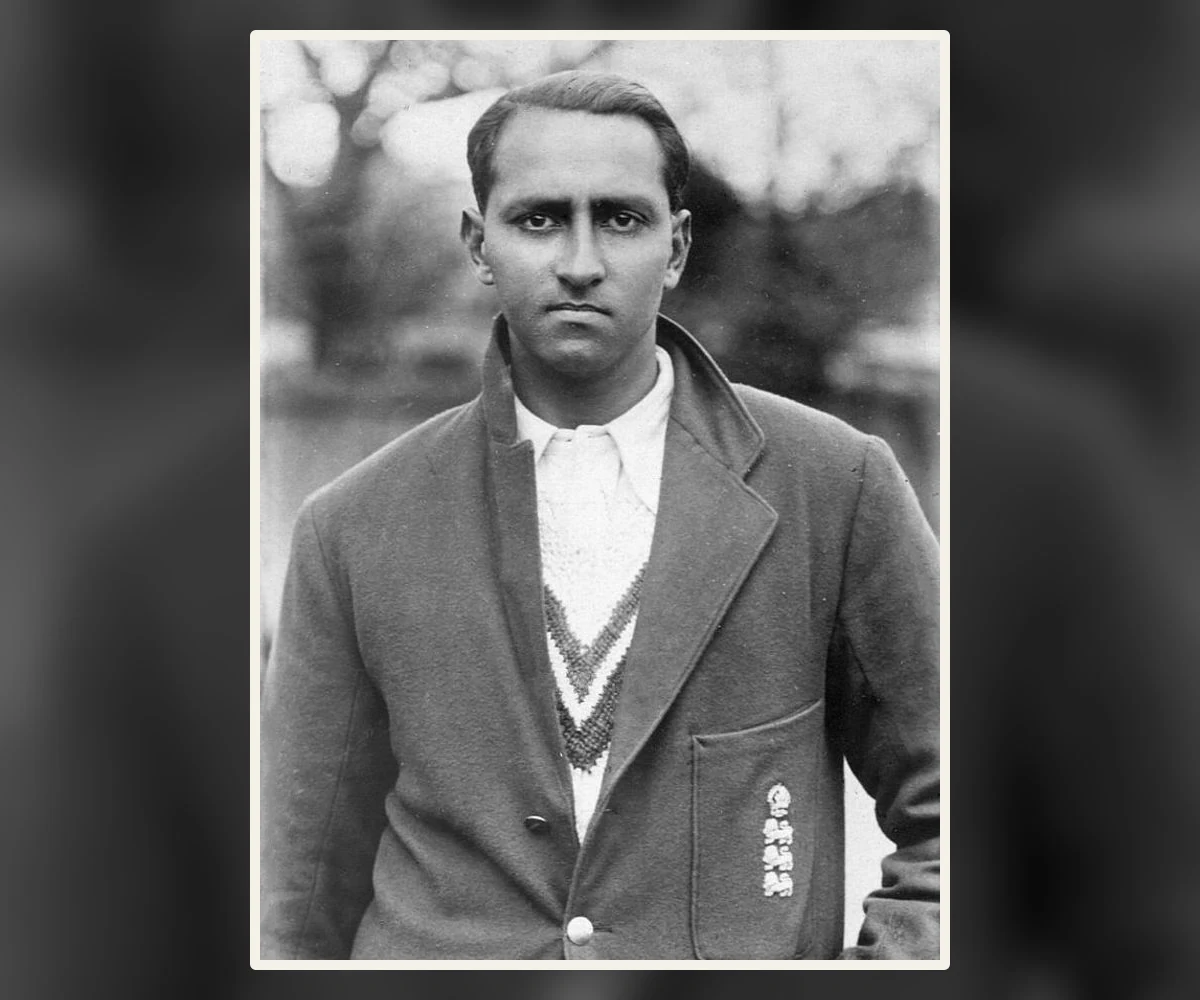
The tournament is named after Kumar Shri Duleepsinhji, usually known as K. S. Duleepsinhji. He was an Indian-born batter who played first-class cricket for Cambridge University and Sussex and represented England in Test cricket.
Duleepsinhji was related to the famous batter Ranjitsinhji, after whom the Ranji Trophy is named. Both players became important names in cricket history.
The Duleep Trophy began in the 1961-62 season. West Zone won the first edition by defeating South Zone by 10 wickets in the final.
The competition has used several structures since that first season. The zonal idea remains its best-known identity, even though the BCCI has sometimes used differently named selected teams.
How Does the Current Duleep Trophy Format Work?
The 2026-27 edition has six zonal teams and five matches in total:
- Two quarterfinals
- Two semifinals
- One final
Central Zone and South Zone entered directly at the semifinal stage because they were the champion and runner-up in the previous edition. The other four teams started in the quarterfinals.
The opening matches were:
- East Zone vs North East Zone
- North Zone vs West Zone
The winner of each quarterfinal moves to a semifinal. The two semifinal winners then meet in the final.
There is no league table in this current format. Teams do not collect points across several group matches. One poor knockout match can end a team's tournament.
The format has changed before and may change again, so fans should check the BCCI schedule for each new season.
How Long Is a Duleep Trophy Match?
In the 2026-27 edition, quarterfinals and semifinals are scheduled for four days. The final is scheduled for five days.
Each team can normally have two innings. A match may end early if one side wins before the last scheduled day.
Weather or poor light can reduce playing time. A slow pitch or strong batting can also prevent an outright result. That is why the first-innings lead matters in this knockout competition.
How Is a Duleep Trophy Match Won?
An outright result works like other first-class cricket.
Win by Runs
The team batting last is dismissed before reaching its target. The other team wins by the number of runs still needed.
Win by Wickets
The chasing team reaches its target. The number of wickets it still has available becomes the winning margin.
Win by an Innings
One team scores so many runs in its only innings that the opponent's two innings together still do not pass that total.
Draw
Time ends before either team completes an outright win. A draw is different from a tie. In a tie, the scores finish exactly level after both teams complete their innings.
Because the Duleep Trophy is a knockout event, a drawn match still needs a team to advance.
What Happens If a Duleep Trophy Match Is Drawn?
When both teams have completed their first innings, the team with the first-innings lead normally advances from a drawn knockout.
Imagine this example:
- West Zone scores 410 in its first innings.
- North Zone scores 370 in its first innings.
- Rain and time prevent an outright result.
- The match ends in a draw.
- West Zone advances because it led by 40 runs after the first innings.
This is not recorded as an outright win. However, the first-innings advantage decides which side continues in the competition.
The 2026-27 final used this rule. East Zone led South Zone by 372 runs after the first innings, and the match was drawn, so East Zone won the title.
The rule changes tactics. A team may bat carefully when it is close to passing the opponent's score because even a one-run lead can become decisive.
Is There a Duleep Trophy Points Table?
Not in the current six-team knockout format. There are no league points for wins, draws, or first-innings leads.
This is a common source of confusion because the Ranji Trophy uses group tables and points before its knockout stage. The Duleep Trophy moves directly through quarterfinals, semifinals, and a final.
Older editions have used different competition designs. A fan looking at an old season may find selected teams, round-robin matches, or standings that do not match the current structure.
Latest Duleep Trophy Result
East Zone won the 2026-27 Duleep Trophy on September 10, 2026. The final ended in a draw, and the first-innings lead decided the winner.
East Zone scored 708 in its first innings, with Ishan Kishan making 270 and Kumar Kushagra 101. South Zone replied with 336, leaving East Zone a first-innings lead of 372. On the final day, East Zone declared its second innings at 388 for 7, and the two captains shook hands.
Because the final was drawn, East Zone won on the first-innings lead. It is East Zone’s third Duleep Trophy title and the first since 2012-13. Ishan Kishan finished with 350 runs across both innings and was named Player of the Match. Md Kounain Quraishi made his first-class century, 116 not out, on the last day.
The official match report on ESPNcricinfo confirms the scorecard and the first-innings lead decision. The BCCI tournament update lists the six zonal squads.
Who Won the 2025-26 Duleep Trophy?
Central Zone won the 2025-26 Duleep Trophy. It defeated South Zone by six wickets in the final at Bengaluru.
South Zone made 149 in its first innings. Central Zone replied with 511, building a lead of 362 runs. South Zone then scored 426, which left Central Zone a target of 65.
Central Zone reached 66 for 4 and completed the chase. It was the team's seventh Duleep Trophy title.
Rajat Patidar captained Central Zone. Yash Rathod scored 194 and Patidar made 101 in the first innings, helping Central take control of the final.
Which Team Has Won the Most Duleep Trophy Titles?
West Zone is generally listed as the most successful team with 19 titles. That count includes seasons in which the trophy was shared.
North Zone is close behind. South Zone has also been one of the competition's strongest teams.
Historical totals can look different on some websites because shared trophies may be counted in different ways. It is better to check whether a list includes shared titles before comparing numbers.
Why Has the Duleep Trophy Format Changed?
The BCCI has changed the format at different times to meet selection and scheduling goals.
For many years, the tournament used traditional zonal teams. From 2016-17 through 2019-20, it used teams called India Red, India Blue, and India Green. The 2024-25 edition used India A, India B, India C, and India D.
The six-zone structure returned for 2025-26 and continues in 2026-27.
This history explains why an older article or scorecard may not show North, South, East, West, Central, and North East. It may describe a real Duleep Trophy season played under a different system.
Duleep Trophy vs Ranji Trophy vs Irani Cup
These three events are all connected to Indian first-class cricket, but they are not the same competition.
| Competition | Teams | Basic format |
|---|---|---|
| Duleep Trophy | Selected zonal teams | Short knockout tournament |
| Ranji Trophy | State and regional association teams | Long national championship with league and knockout stages |
| Irani Cup | Ranji Trophy champion vs Rest of India | One special first-class match |
The Ranji Trophy gives many association teams a full season. The Duleep Trophy combines selected players into larger regions. The Irani Cup creates one match between the Ranji champion and a Rest of India side.
Why Is the Duleep Trophy Important?
The competition puts many accomplished domestic players into a smaller, stronger field. A batter may face a bowling attack made from leading performers across several associations. A bowler may have to dismiss a lineup filled with experienced first-class players.
The tournament can help selectors compare players in red-ball conditions. It can also give younger cricketers experience beside established domestic and international players.
Strong performance can improve a player's reputation, but there is no automatic promotion. National selection depends on many factors, including consistent form, team needs, fitness, technique, and performance in other competitions.
For fans, the tournament offers a useful bridge between state cricket and the India team. It can introduce players who may later appear for India A or in international squads.
Common Duleep Trophy Tactics
The knockout structure changes how captains manage a match.
Secure the First-Innings Lead
An outright win is best, but the first-innings lead can decide a draw. Teams know the opponent's first score is an important target.
Declare With Enough Time to Bowl
A captain may end an innings before all ten wickets fall. This declaration sacrifices possible runs to create more time for taking wickets.
Protect Specialist Batters Near Stumps
A team may send in a lower-order player after a late wicket. This nightwatchman tactic in first-class cricket tries to protect a specialist batter from a difficult short spell before the day ends.
Build a Balanced Attack
Four-day and five-day games often need both pace and spin. Conditions can change from the first morning to the final afternoon.
Manage Bowler Workloads
Fast bowlers cannot attack at full speed all day. Captains rotate the attack and use field settings to create pressure without exhausting the main bowlers.
Common Beginner Confusions
Duleep Trophy Teams Are States
They are zones made from several domestic associations. The players may represent different Ranji teams during the rest of the season.
It Is Another IPL Tournament
It is not a T20 franchise league. It is multi-day first-class cricket played with a red ball.
A Draw Means Both Teams Are Eliminated
No. A knockout must produce a team that advances. A first-innings lead normally decides a drawn match when both first innings are complete.
There Is Always a Points Table
The current format has no league stage or points table. It is a five-match knockout competition.
The Format Never Changes
The tournament has used zonal teams and differently named selected teams. Always check the season being discussed.
Frequently Asked Questions
Is the Duleep Trophy an international tournament?
No. It is a domestic Indian first-class competition. The teams represent zones, not countries.
How many teams play, and what is the current format?
The 2026-27 edition has six zonal teams: North, South, East, West, Central, and North East. The current tournament is a five-match knockout with two quarterfinals, two semifinals, and one final. It does not use a league points table.
How are Duleep Trophy teams selected?
Zonal selectors choose players from domestic associations within their region. There is no IPL-style auction.
What happens if a Duleep Trophy match is drawn?
If both first innings are complete, the team with the first-innings lead normally advances.
Who won the latest completed Duleep Trophy?
East Zone won the 2026-27 edition. The final against South Zone ended in a draw, and East Zone won on the first-innings lead. Central Zone won the 2025-26 edition by six wickets.
Conclusion
The Duleep Trophy is a domestic first-class knockout tournament for selected Indian zonal teams. It is shorter than the Ranji Trophy but brings together many of the country's leading red-ball players.
For a beginner, remember three things. The teams represent zones, not individual states. The matches last several days. A first-innings lead can decide who advances when a knockout ends in a draw. Those ideas make the tournament much easier to follow.
Read More
Learn the main result rules next in how to win a Test match. It explains wins by runs, wickets, and an innings in simple language.
