




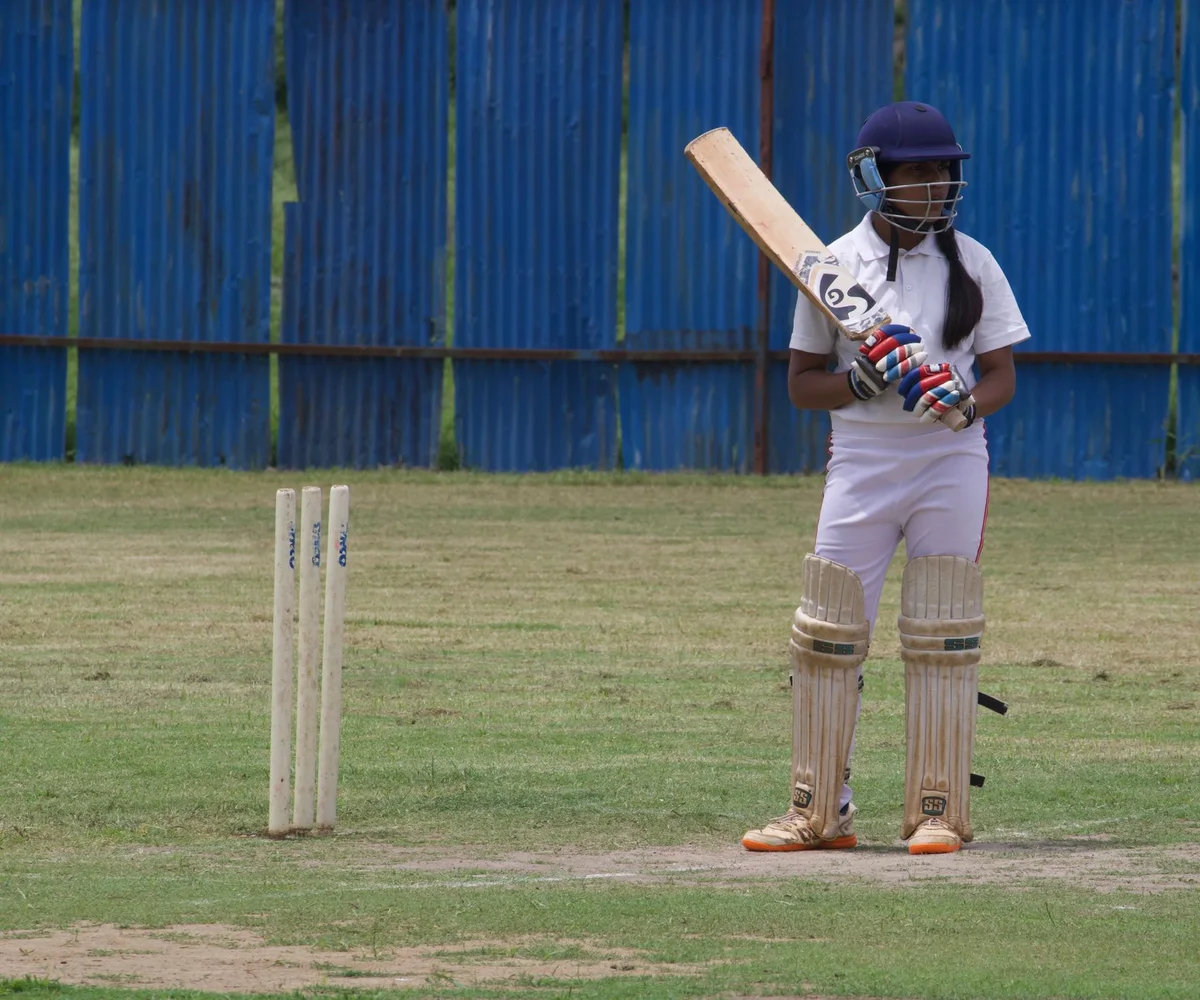
England Women have dropped their Test match against West Indies from the April 2027 tour and replaced it with a bigger red-ball programme at home. The ECB confirmed the change on 11 November 2026 in its announcement of the new red-ball plans, saying the West Indies tour will now feature three T20Is and three ODIs only.
The reason is preparation for the Women’s Ashes. England want more multi-day cricket before they face Australia in a four-day Test at Headingley, and the domestic schedule does not currently provide enough of it. This CricketFocus explainer covers what changed, why it changed, and what the new plan looks like.
Quick Answer
England Women will not play a Test on their April 2027 tour of West Indies. The tour is now three T20Is and three ODIs, and England will instead play four red-ball matches at home plus a 10-day red-ball camp in Bangalore before the Women’s Ashes Test at Headingley, which starts on 24 June 2027.
What Exactly Changed?
The West Indies tour was originally expected to include a Test. The ECB said there is now insufficient time to fit one in, because the trip has to take place once the English domestic season is already under way.
So the tour becomes a white-ball series only. Dates and venues will be confirmed by Cricket West Indies, and the tour will follow the opening round of Metro Bank One-Day Cup matches that involve all England players.
The ECB thanked Cricket West Indies for agreeing to the request and for what it described as an understanding and collaborative approach in the discussions.
No replacement Test has been announced, and no other opponent has been added to the calendar.
Why Did England Drop the Test?
The ECB’s explanation is about time, not about the opponent. A Test needs four or five consecutive days, plus travel and recovery, and the West Indies tour had to be squeezed into a window that was already short.
The wider problem is structural. England Women’s domestic competition does not currently offer many multi-day matches, which means players arrive at international level with little experience of the format.
That matters more in the women’s game than in the men’s, because the Ashes Test is worth four points in a multi-format series. Four points is a large share of the total, and a team that is underprepared for one match can lose the series in four days.
Rather than spend the available time on a Test in the Caribbean, England chose to spend it on four red-ball matches in English conditions, which is closer to what the Ashes Test will actually feel like.
What Is the New Red-Ball Plan?
The programme has four parts, and the ECB confirmed each of them.
- January: a 10-day red-ball specific training camp in Bangalore, held before the inaugural ICC Women’s Champions Trophy
- Before the Ashes Test: a three-day match against Australia A
- On English soil: three red-ball “best v best” intra-squad matches
- Selection value: at least two of those intra-squad matches give the selectors a chance to look at a wider group of players
In total, England will play four red-ball matches before the Ashes Test at Headingley, which begins on 24 June 2027.
If “best v best” sounds unusual, the idea is simple. England split their own squad into two teams and play a proper match, with a first innings, a second innings and a result. Nobody is playing for a place in a league table. They are playing so the selectors can watch batters face a new ball and bowlers send down a long spell in real match conditions.
The three-day match against Australia A adds the missing ingredient. An intra-squad game cannot copy the intensity of playing a touring side, but a match against Australia A at least puts England’s red-ball players against unfamiliar opponents before the Ashes summer starts.
That is a lot of cricket for a team that rarely plays the format. It also explains why the West Indies Test had to go. There is a limit to how many multi-day matches a squad can physically play in one winter.
Why the Ashes Test Matters So Much
The Women’s Ashes is not decided by one match. It is a multi-format series, with points awarded across T20Is, ODIs and a Test, and the team with the most points at the end wins the Ashes.
Because the Test carries four points, it can swing the whole series. A team that wins the white-ball matches but loses the Test can still lose the Ashes.
That is the calculation behind the ECB’s decision. Charlotte Edwards, the England Women head coach, gets a squad that has played four multi-day matches in English conditions before walking out at Headingley.
Richard Gould, the ECB chief executive, said the Ashes Test is “worth four points in the multi-format series” and that it is important the players have the right preparation. He described the Bangalore camp and the four English matches as the game time the team needs.
If you are new to the format differences, our guide to Test vs ODI vs T20 cricket explains why a four-day match rewards a completely different set of skills from a T20.
Important
The West Indies tour has not been cancelled. Only the Test has been removed, and the three T20Is and three ODIs are still planned. Cricket West Indies will confirm the dates and venues, so any specific fixture list you see before that announcement is provisional.
What Is a Multi-Format Series?
Most international cricket series use one format. A multi-format series combines T20Is, ODIs and a Test into a single competition with a points table.
Each white-ball match is usually worth one point, and the Test is worth more because it is longer and harder to win. The team that finishes with the most points takes the series.
This structure is used for the Women’s Ashes because it tests a squad across every skill the game requires. A team that is strong at T20 but weak in red-ball cricket cannot win the Ashes on white-ball form alone.
It also means selection is harder. A player who is excellent in T20 may not be in the Test eleven, and a red-ball specialist may only play one match in the whole series.
What This Means for the Players
The obvious winners are the red-ball players who would not otherwise get a game. Three intra-squad matches and a match against Australia A give them a route into the selectors’ thinking that did not exist before.
The obvious losers are the players who wanted a Test in the Caribbean. A tour of West Indies is a rare chance to play the format abroad, and that opportunity is now gone for this cycle.
There is also a practical benefit. Intra-squad matches let a coach control the conditions, the workload and the match situations. A player can be asked to bat for a full session or bowl a long spell, which is difficult to arrange in a normal international fixture.
The trade-off is real though. Playing against your own teammates is not the same as playing against Australia, and no amount of preparation removes the pressure of an Ashes Test.
What Happens Next
The next confirmed date is the Ashes Test at Headingley on 24 June 2027. Before that, England have the Bangalore camp in January, the Australia A match, and three intra-squad games at home.
Cricket West Indies will confirm the West Indies tour dates and venues, and the white-ball series will be played after the opening round of the Metro Bank One-Day Cup.
For now, the decision is made and it is official. England have traded one Test in the Caribbean for four red-ball matches in conditions they believe will prepare them better for the match that carries four points.
Frequently Asked Questions
Why did England Women cancel the West Indies Test?
The ECB said there was insufficient time to fit a Test into the April 2027 tour once the English domestic season was under way. The tour will now be three T20Is and three ODIs only.
Is the England Women tour of West Indies cancelled?
No. Only the Test has been removed. The three T20Is and three ODIs are still planned, with dates and venues to be confirmed by Cricket West Indies.
When is the Women’s Ashes Test in 2027?
It starts on 24 June 2027 at Headingley. It is a four-day Test and it carries four points in the multi-format series.
How many red-ball matches will England Women play before the Ashes?
Four. There is a three-day match against Australia A and three red-ball “best v best” intra-squad matches on English soil, plus a 10-day red-ball camp in Bangalore in January.
Why is the Ashes Test worth four points?
The Women’s Ashes is a multi-format series, and the Test is weighted more heavily than the white-ball matches because it is longer and harder to win. The ECB has confirmed the Test is worth four points in the series.
The Bottom Line
England Women have given up a Test in the Caribbean to buy themselves four red-ball matches at home. It is a trade, not a cancellation, and it tells you how much weight the ECB puts on one match at Headingley.
The plan will be judged in June 2027. If England arrive at the Ashes Test with a settled red-ball eleven, the decision will look smart. If they arrive underprepared anyway, the missing West Indies Test will be the first thing people mention.
Read More: What Is the Ashes in Cricket? Simple Guide
