


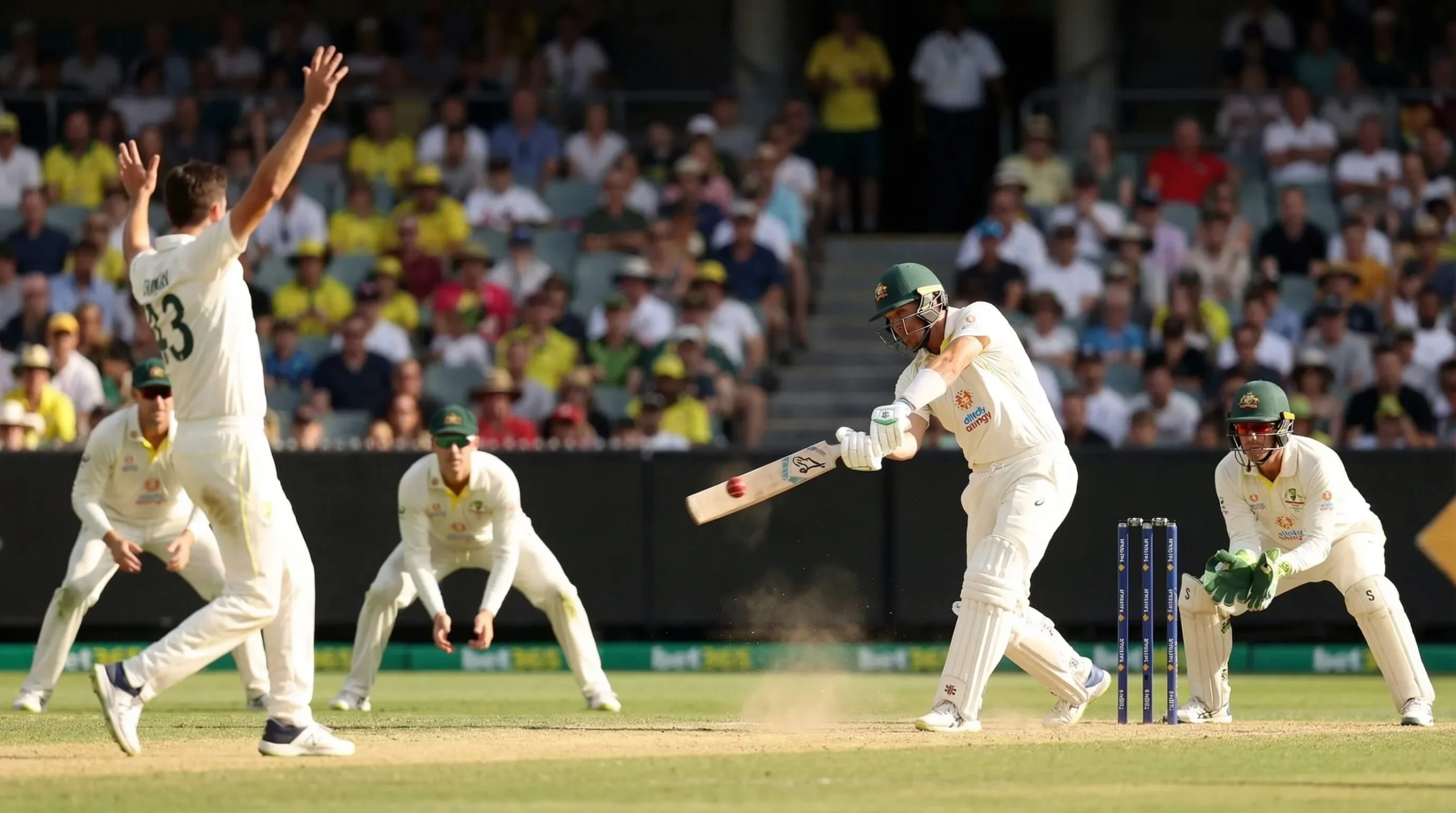
The first time I watched a full cricket match, I felt completely lost. One team finished batting, the other team started playing, and then suddenly the first team was batting again. I remember thinking that they already had their turn. If you searched for innings in cricket explained, there is a good chance you had the same confusion. Maybe a commentator mentioned second innings pressure, or someone said a team won by an innings, and it made no sense.
After watching many matches across the International Cricket Council tournaments and regular series, I realized something simple. Once you understand innings, the whole game becomes easier to follow. Scores, match results, and captain decisions start to make sense. This guide explains innings clearly so you can watch any cricket match without confusion.

Key Takeaways
- An innings in cricket is a team’s turn to bat and score runs.
- Test matches have four innings in total, two for each team.
- ODI and T20 matches have two innings, one per team.
- An innings ends when all wickets fall, overs finish, or the captain declares.
- A team can win by an innings if the opponent fails to beat the total.
What Is an Innings in Cricket?

An innings in cricket is the period when one team bats and tries to score runs.
During an innings:
- One team bats.
- The other team bowls and fields.
- Batters try to score runs while protecting their wickets.
When the batting team finishes its turn, the other team begins its innings.
In simple words, an innings is a team’s chance to score runs.
Why the Word Innings Is Used
Many sports use the word inning for a single turn. Cricket uses innings for both singular and plural.
The word comes from early English cricket played in the 17th century. The plural form stayed part of the game’s language.
That is why people say:
- first innings
- second innings
- a great batting innings
Innings Structure by Match Format
Different formats of cricket use different innings structures.
| Format | Innings per Team | Total Innings | Over Limit | Typical Match Length |
|---|---|---|---|---|
| Test | 2 | 4 | No limit | Up to 5 days |
| ODI | 1 | 2 | 50 overs | About 8 hours |
| T20 | 1 | 2 | 20 overs | About 3 hours |

Formats like ODI and T20 are also played under the rules of the International Cricket Council.
How Innings Flow in a Test Match
A Test match usually follows this order:
↓
Team B – First Innings
↓
Team A – Second Innings
↓
Team B – Second Innings

After these innings, the team with the better score wins.
What Happens in First and Second Innings
The first innings and second innings often feel very different.
First Innings
The team batting first tries to build a strong score. There is no chase pressure because they set the target.
Second Innings
The chasing team must reach the target. The required run rate and remaining wickets create pressure.
In Test matches, later innings can become harder because the pitch may wear out.
When Does an Innings End?

An innings can finish in several ways.
- Ten wickets fall and the team is all out.
- The set number of overs ends in ODI or T20 matches.
- The captain declares the innings closed in Test cricket.
- The chasing team reaches the target score.
- Rain stops the match and the target changes using the Duckworth–Lewis–Stern method.
Declaration in Test Cricket

In Test matches there is no over limit.
Because of this, a captain can stop batting early. This decision is called a declaration.
Captains declare when they believe their team has enough runs and there is enough time left to bowl out the opponent.
Follow-On in Test Cricket

The follow-on rule also applies only in Test cricket.
If the team batting first builds a large lead, they can force the other team to bat again immediately.
In a five-day Test match, the usual follow-on margin is 200 runs.
This rule increases pressure on the team that is behind.
What Winning by an Innings Means

Sometimes a team dominates the match so strongly that the opponent cannot match their score across two innings.
Example:
Team A: 420 runs
Team B: 200 runs
Team B second innings: 180 runs
Team B total: 380
Since 380 is less than 420, Team A wins by an innings and 40 runs.
Example Scoreboard
Here is a simple Test match example:
| Team | First Innings | Second Innings | Total |
|---|---|---|---|
| Team A | 350 | 220 | 570 |
| Team B | 210 | 180 | 390 |
This example shows how innings shape the match situation.
Strategic Insight

The fourth innings of a Test match is often the hardest time to bat. The pitch can crack, spin bowlers may become harder to play, and the pressure of chasing a target increases.
That is why many teams prefer building a strong first innings total.
Common Confusions About Innings
New cricket fans often misunderstand a few things.
Common mistakes include:
- thinking innings means one over
- thinking every match has four innings
- mixing up team innings and player innings
- not understanding why teams bat again in Test matches
Learning how innings work clears most of these doubts.
Conclusion
Once I understood innings properly, cricket became far easier to follow. Matches stopped feeling random. I could see how the first innings builds control, how the second innings creates pressure, and how decisions like declaration or follow-on shape the result.
Innings are the backbone of cricket. They decide strategy, scoring pace, and match outcomes. With this knowledge, watching games organized by the International Cricket Council or major tournaments now makes much more sense. Instead of feeling confused, you can follow the flow of the match and understand why teams make certain decisions.
